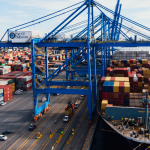
To ensure the smooth operation of maritime logistics and global trade, efficient ship management and port operations are crucial. The ports welcome thousands of containers, ships and cargo operations daily, and coordination is vital to successful operations. Failure to communicate between terminals, vessel crews, logistics, and shipping companies can cause delays and inefficiencies in the supply chain in a blink.
In today’s context, port efficiency optimization has become a major concern in the maritime industry to minimize turnaround time and optimize cargo handling while ensuring operational reliability. Growth of effective shipping operations can be seen as a result of the engagement of ports and vessels working together successfully to facilitate the safe, timely and cost-effective movement of goods.
Understanding Modern Port Operations
All activities that include handling, movement, storage, and transportation of vessels and cargo in a port facility are considered part of port operations. These operations involve vessel berthing, loading and unloading cargo, container storage, customs coordination, and traffic management.
These functions can be carried out smoothly and efficiently by a competent port operator, who will reduce delays and risks to the port’s operations. They manage resources, track vessel movements, oversee the loading and unloading of goods, and ensure adherence to maritime laws and regulations. With global shipping growing, ports are trying to boost productivity while minimizing congestion. This has led to the increased significance of operational coordination.
The Role of Ship Management
Ship management plays an important role in making sure that all the functions of the ship are working properly. It enhances and improves the safety of the ship and also of the crew members present on the ship. Good or effective ship management makes the ship meet all the terms and regulations that are required before going into the waters. In simpler words, ship management takes care of all the shipping operations from deck requirements to paperwork.
Other aspects of ship management include fuel monitoring, safety management, and maintenance planning, as well as crew coordination. All of these factors have an impact on the reliability of the vessels and the efficiency of operation.
How Coordination Improves Efficiency
Coordinating tasks is the basis for effective maritime logistics. Effective communication and planning are essential in all departments.
Faster Vessel Turnaround
Ports and ships working well together means that ships spend less time waiting in the port to unload or to get clearance to leave. The turnaround speeds up the schedule, improves reliability, and lowers operational downtime.
Reduced Costs
Delays result in higher fuel usage, higher labor costs, and storage costs. Effective coordination can reduce the costs associated with shipping companies and ports unnecessarily.
Better Resource Management
Cranes, cargo yards, transport vehicles, and allocation of personnel have to be dealt with at the same time by ports. A coordinated plan will provide effective use of resources without congestion.
Improved Safety
The activities in the marine sector are characterized by heavy machinery, goods transportation and vessel traffic. Providing effective communication can mitigate risks and enhance safety in terminal activities.
Stronger Customer Satisfaction
Having efficient Port management will ensure shipment reliability and cargo delivery timelines, which will allow businesses to keep their customers happy and the supply chain working.
Importance of Port Operations Coordinators
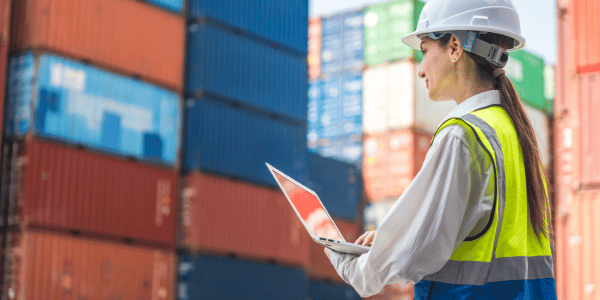
The port operations coordinator is key to facilitating communication between shipping companies, terminal operators, customs authorities, and logistics providers. They are involved in tracking ships’ timetables, organizing loading and unloading operations, managing paperwork and addressing logistics problems. Port coordinators support the continuity of the flow of work and avoid expensive work disruptions.
The complexity of maritime operations leads to an increase in the number of trained coordinators who are able to handle multiple maritime tasks efficiently.
Terminal Operation and Cargo Handling
In order to facilitate cargo flow within the port, it is crucial to have an efficient terminal operation. Seaports are a key component of maritime supply chains, as they are the places where ships dock to load and unload goods or passengers.
The main end-of-term activities are:
- The loading and unloading of cargo
- Container storage management
- Equipment coordination
- Traffic Control in Terminals
- The security process and the security inspection.
Cargo delays, congestion, and inefficiency can result from poor coordination among the various activities within the terminal. This makes it crucial for strong Port management strategies to facilitate the enhancement of productivity and ensure smooth logistics operations.
Technology and Port Efficiency Optimization
Digital technologies are increasingly used to enhance the modernization of ports. Ports will benefit from automated systems and real-time communication tools to minimize manual mistakes and increase visibility of cargo.
Technologies that can be used for optimizing port efficiency are:
- Automated handling systems for cargo.
- Real-time vessel tracking
- Digital documentation platforms
- Smart scheduling systems
- Predictive maintenance tools
Such technologies aid in better decision-making and in making better operations. Their success, however, relies on skilled professionals who are knowledgeable about maritime systems and the coordination of operations.
Why Training Matters in Maritime Operations
The marine trade is a technical and operational vocation. There are now numerous institutions that offer training programs focused on enhancing the performance of their employees, as well as ensuring international standards are met in their operations.
Employees learn through professional maritime training to be skilled in:
- Cargo handling procedures
- Port safety practices
- Vessel scheduling
- Shipping documentation
- Logistics coordination
- Regulatory compliance
Maritime operations become more efficient, risks are minimized, and people’s capabilities on the job improve. Companies with a mind for training have a strong focus on Operational Excellence and Industry Growth.
The Future of Coordinated Maritime Operations
With the world trading more than ever, there is a need to pay more attention to improving ship operations and technological development. New technologies and innovations are revolutionizing maritime logistics, including automation, sustainability programs and digital systems. Future-ready ports will rely upon real-time communication, expertise and effective cooperation amongst all departments involved in operations. By investing in operational improvements and employee development, organizations will continue to be competitive in the changing maritime industry.
If you are looking for a professional maritime development solution, please consider GI Intelligence’s industry-specific Training Portfolio geared towards operational and technical excellence. Contact us today about bespoke ship training solutions!
FAQs
What does the term port operations mean?
Port operations are activities related to cargo, storage, movement, and handling of vessels within a port facility.
Why is Coordination Important in Shipping Operations?
Coordination helps to improve efficiency, minimize delays, improve safety, and facilitate smoother cargo flow.
What is the job of a port operations coordinator?
A port operations coordinator takes care of maritime stakeholders’ communication, scheduling and operations workflow.
What’s the role training plays in improving Port management?
Training enhances technical abilities, operational effectiveness, safety awareness, and logistics coordination.