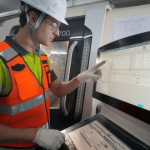
In today’s competitive business landscape, businesses are under constant pressure to cut expenses while maintaining performance and reliability. Maintenance is one of the areas where companies tend to excessively spend. It could be machinery, facilities or even digital systems, the cost for maintenance may end up being a big burden unless managed in a strategic manner. It is not necessary to remove maintenance activities but to streamline them. Through proper attitude and strategy, companies can attain the realization of maintenance cost reduction without reducing quality and efficiency.
Understanding the Real Cost for Maintenance
Repairs are not the only maintenance costs required. They consist of labor, spares, inspections, system upgrades, downtime losses, and even the indirect cost of low productivity. The amount that these costs can accumulate is underestimated by many businesses, particularly when they are dealing with old equipment or systems that are not efficient in operation. Including proper training courses for staff can help manage these factors more effectively and prevent unnecessary expenses.
Reactive maintenance tends to take place, resulting in expensive maintenance cycles. Equipment malfunctions happen at any time with a high level of urgency, which incurs higher costs than scheduled maintenance. On the contrary, a properly designed plan will allow keeping costs of maintenance under control and reduce unnecessary expenditures.
Why Businesses Struggle with High Maintenance Costs
Vagueness in strategy is one of the largest causes of why companies cannot control their maintenance budgets. Organizations can easily get into a cycle of constant failures and quick fixes without proper planning. This, in the long run, leads to a cycle of inefficiency and makes it very expensive to maintain.
The other significant reason is old machines. Older systems will be more expensive to maintain and less energy efficient and have a high cost of operation. Equally, inadequate training and unskilled staff may lead to ineffective management of assets and this adds to the expensive maintenance problems. Implementing strategic maintenance planning can help address these challenges by ensuring better resource allocation, timely maintenance, and improved overall efficiency.
How to Cut Maintenance Costs Effectively
Businesses must be proactive and systematic in order to get actual and lasting savings. The idea is not merely to cut costs, but to spend wiser.
A transformation in the type of maintenance is changing the reactive to preventive maintenance. Rather than letting equipment become defective, it is still possible to detect possible problems at the first signs with the help of regular inspections and servicing. This can save a lot of unplanned downtime and save on maintenance expenses in the long run. Preventive maintenance also prolongs the lifespan of assets, which saves them the expenses of replacement of assets along with the time of replacement.
Predictive maintenance is yet another effective approach. Technology has made it possible to monitor equipment performance in real time; businesses are now able to use data and sensors to gain insight into equipment performance. This enables them to anticipate failures even prior to their occurrence and act in time. Consequently, business entities will be able to result in reduced maintenance costs and save on unwarranted repairs.
It is also important to train. A qualified labor force is able to work the equipment properly, identify early warning signs, and do the maintenance work effectively. Training employees can appear to be an extra cost in the short term, but it can save the company a lot of money by eliminating mistakes and preventing costly failures.
Strategies for Reducing Maintenance Costs in b2b Integrations
B2B integrations in the contemporary business environment are essential in ensuring smooth communication and exchange of data between systems. But upkeeping these integrations may cost a lot unless well managed. Incorporating professional development training courses for teams can further improve system handling and reduce avoidable errors.
Standardization is one of the best approaches to minimizing maintenance expenses in integrations at B2B. With uniform protocols and formats in use within the systems, it will be easier and less time-consuming to maintain. The other important factor is automation. Automated monitoring systems are able to identify problems early and minimize the need to manually intervene.
Scalability is also a consideration. The ability to have flexible systems, which can be modified as the business grows, leads to less-frequent upgrades, which is useful in managing the maintenance cost. Periodical audits and performance control make sure that systems are efficient and business-need friendly and further assist in reducing maintenance costs.
Maintenance Cost Control by Use of Technology
Technology has changed the manner in which businesses are maintained. Computerized maintenance management systems are tools that help organizations to schedule work, monitor performance, and analyze real-time data.
Such systems offer great information about the trends in maintenance, which can assist businesses in determining inefficiencies and adopting improved strategies. The use of technology will help the companies gain greater control over maintenance expenses and maintenance cost reduction strategies, and guarantee long-term savings.
Avoiding Common Mistakes for Maintenance Cost Reduction
Some businesses intentionally reduce costs related to maintenance, but some will go wrong by reducing important services or utilizing low-quality components. In most cases, these shortcuts can result in increased costs in the long-term. Neglect of preventive maintenance, lack of staff training, and performance data tracking are also common problems that lead to the costly maintenance.
An intermediate way is required. It must always be about efficiency and quality and not necessarily cutting back on expenditure.
Learn the right strategies to control maintenance expenses and grow professionally. For more details contact us now.
Conclusion
Knowledge on how to minimize cost for maintenance is critical to any organization that wants to remain competitive in the current market. It involves changing the mindset and mindset to go beyond a reactive solution to a proactive change and strategy.
Businesses can achieve maintenance cost reduction sustainably by investing in preventive and predictive maintenance, capitalizing on technology, streamlining inventory, and collaborating with cost-effective plant maintenance solutions providers. Meanwhile, prioritizing such practical solutions as the upkeep of connectors and enhancement of B2B integrations will guarantee efficiency in the long run. Explore more at GI intelligence.