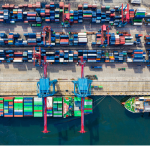
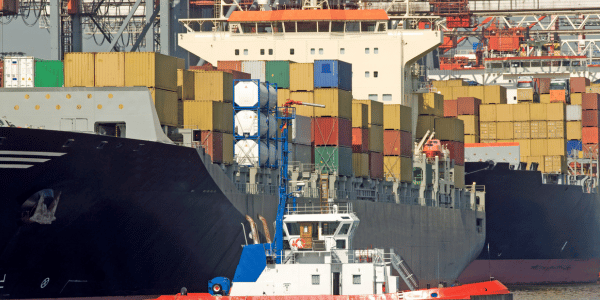
The maritime sector is the industry that supports world trade and the movement of people through a huge network of ships and ports. Ship management lies at the core of this system and this is a critical discipline that ensures that vessels operate safely, efficiently and in accordance with international regulations.
So, what is ship management? In straightforward language, ship management is the end-to-end management of the operations of a vessel including technical maintenance, crew coordination, safety observance and commercial performance. It is also critical in ensuring that ships and ferries are in a seaworthy, cost-effective, and reliable operational condition.
In the contemporary scene, maritime ship management has gone beyond conventional management. It currently combines digital tools, predictive maintenance, and more advanced vessel management systems to enhance decision-making and minimize operational risks. It is whether it is cargo vessels or passenger ferries, effective management is the key to a smooth operation of the maritime vessels and their long-term sustainability.
Core Operations
Effective ship operations are based on three cornerstones namely safety, navigation, and efficiency.
Safety
All maritime operations are based on safety. All vessels are to adhere to international maritime standards including SOLAS and IMO standards. Risk evaluation, emergency response, and safety drills on board are fully adhered to by proper ship management services.
Navigation
The correct navigation plays a critical role in preventing accidents, saving time, and making timely arrivals. Contemporary vessels are based on GPS, AIS systems, and automated navigation tools embedded into sophisticated marine fleet management systems.
Efficiency
Efficiency aims at minimizing the use of fuel, optimizing routes, and reducing downtime. As fuel prices increase and environmental policies are enforced, firms are now more than ever reliant on ship technical management systems that are capable of improving operational performance and reducing emissions.
Combined, these fundamental operations make sure that vessels are reliable in all the circumstances.
Management Functions
The contemporary maritime operations hinge on three management functions which include technical, crew, and commercial management functions.
Technical Management
Ship technical management is the process of ensuring the physical state of the ship. This involves maintenance of engines, inspection of hulls, dry docking and adherence to classification society. Unless vessel safety and performance are monitored properly, these two aspects can deteriorate within a short period.
Crew Management
A ship is as strong as the people that sail it. Crew management includes recruitment, training, certification, and welfare. Qualified seafarers provide effective implementation of the daily maritime vessels operations and preparedness to respond to emergencies.
Commercial Management
This role is concerned with revenue generation, chartering and operational profitability. Good commercial management will see to it that the vessels will be used to good effect in profitable routes and the contracts will be optimized to yield good returns.
The three functions combinedly act to determine how efficient the management of maritime operations is in the current shipping industry which is highly competitive.
Ferry Operations
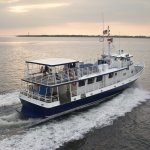
In contrast to cargo transportation, ferry systems are extremely passenger-oriented and demand specific operational planning. When operating a high-frequency route, a ferry operator needs to balance between safety, punctuality and customer experience.
Scheduling
Strict scheduling plays a vital role in ferry management. Delays may cause complete disruption of whole transport systems, particularly in congested coastal or island areas. Online scheduling applications and digital dashboards can assist operators in keeping their accuracy and reliability.
Port Turnaround
Rapid turn-around times play an essential role in the operations of ferries. Efficient docking, unloading and reloading processes minimize waiting time and enhance the efficiency of the operations. The cooperation with port authorities and automated systems will guarantee the quicker movement of vessels.
Ferries are also becoming a subject of smart management in the real-time flow of passengers, fuel consumption, and maintenance requirements.
Maritime Operations Challenges
Although technological progress has been made, the maritime sector is still struggling with a number of problems:
Compliance
The international regulations keep on changing. One of the key tasks of any shipmanagement company is to ensure compliance with environmental laws, safety standards, and emission controls.
Cost Pressures
Maintenance, port charges and fuel prices have a huge effect on profitability. Cost-efficient strategies have to be embraced by the companies using the superior vessel management systems and efficient routing.
These problems underscore the significance of well-organized and professional ship operations management within the industry.
Why Training Matters
The maritime market is developing at a rapid pace and the number of professionals required is on an all-time high. Nevertheless, there is still a major skills disparity in contemporary shipmanagement services and online maritime systems.
Skill Gap
Most of the professionals are not exposed to the contemporary tools such as integrated marine fleet management software, predictive maintenance systems, and automated navigation platforms.
Industry Demand
As the global trade is growing, businesses need trained professionals with the knowledge of both traditional and digital aspects of maritime vessel operations. This involves technical skills, knowledge of compliance and operational efficiency.
Certification Value
Career growth can now be achieved through professional development through structured training programs. Tanker ship management, and maritime operations management are certifications that greatly enhance employability and industry credibility.
To address this gap, some specialized maritime learning solutions are provided by organizations such as GI Intelligence that are meant to be applied in the real world. They have a training calendar with organized classes that are geared towards shipping, ferry operations and fleet management professionals.
In case you want to advance your career in shipmanagement, it is high time that you invest in professional development. Research new training opportunities, review the training schedule, and make the next move towards certification and industry excellence.
Today, contact us to find out more about maritime courses that can make a difference in your career in modern shipping and ferry operations.
Conclusion
Proper ship and ferry management is a key component of safe, efficient, and profitable ship and ferry operations. Whether it is technical maintenance or crew coordination and ferry scheduling, each of the functions is crucial. With the development of the industry, digital systems and professional training are the key to the enhancement of the performance, minimizing risks, and the successful operation of the industry in the long term.
FAQs
What is ship management?
Ship management may be defined as the process of managing both the technical, operational and commercial activities of a vessel to ensure safety, efficiency and compliance.
What does a vessel management system do?
This system assists in monitoring operations, maintenance, fuel consumption and performance statistics to make better decisions and be efficient.
What is ferry management?
This management refers to the planning and control of the operation of passenger ferries, including the scheduling, safety and port turnaround activities.
Why is training important in maritime operations?
Training aids in filling gaps in skill sets, enhances knowledge of compliance standards and prepares professionals to meet the demands of modern digital maritime systems and industry.