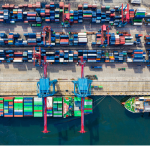
If the past few years taught the logistics industry anything, it’s that certainty is a luxury nobody can afford. Early into 2026, that lesson hasn’t softened. The forces acting on global supply chains right now are numerous, interconnected, and genuinely unforgiving of businesses that aren’t paying close attention.
Here’s an honest look at what’s shaping supply chain trends in 2026 and what serious logistics professionals are doing about it.
Geopolitical Instability Is Redrawing Trade Maps
Geopolitical risk in the supply chain has shifted from the background to the front page. These days, logistics companies are having to rethink trade corridors they have used for decades, given the ongoing tensions across key trade regions, the evolving nature of tariffs, and the ongoing fragmentation of global trade.
The problems with the Red Sea have not yet been solved. Cruisers are now taking detours around the Cape of Good Hope, lengthening their journeys and increasing their fares, as well as being diverted from Suez. From global manufacturing sectors to sourcing, the trade war between the United States and China remains a major source of uncertainty.
Such disruptions to the global supply chain have repercussions beyond just freight rates, impacting inventory planning, supplier dynamics, and consumer pricing. Organisations that focused on efficiency and not resilience are discovering that flexibility is more important than optimising when trade routes suddenly shut down.
AI Is Doing Real Work Now
A year or two ago, AI in logistics and supply chain conversations were heavy on potential and light on specifics. That’s changed. In 2026, AI is doing genuine operational work demand forecasting, dynamic routing, warehouse automation, and anomaly detection across freight networks.
Predictive supply chain analytics is where the impact is most tangible. Operators using AI-driven forecasting are catching demand shifts earlier, reducing excess inventory, and responding to disruptions faster than competitors still running traditional planning cycles. The gap between data-mature logistics businesses and those working off weekly spreadsheets is becoming a real competitive disadvantage and it’s widening.
AI isn’t replacing logistics professionals. But it is raising expectations of what those professionals need to know.
Sustainability Has Become a Commercial Issue
Some sustainable logistics solutions are no longer a matter of marketing. EU regulations, company net zero pledges from shipping companies, customer consciousness and concerns have turned emissions performance into an issue for business, not ethics.
Electrifying fleets, shifting to rail and sea and other cleaner last-mile delivery solutions are gaining momentum on priority lists across the industry. Carbon reporting is becoming more stringent. So, some businesses are starting to be left out of some contracts and partnerships because of a lack of credible progress.
It will cost money to make over. But ignoring it is starting to cost more.
Labor Shortages Aren’t Easing
Logistics labor shortages were supposed to settle as pandemic disruptions faded. They haven’t meaningfully. Driver shortages, warehouse staffing gaps, and a shrinking pool of experienced freight forwarders continue to constrain capacity across the industry.
The structural causes are well understood. An ageing workforce in key markets, inconsistent investment in sector training, and competition from industries offering comparable pay with better conditions have all contributed to a problem that wages alone won’t solve.
What’s working is investment in professional development training courses that offer structured pathways and recognised qualifications. Enrollment in training courses tied to logistics, supply chain management, and freight operations has grown noticeably as professionals look to build expertise in a market that rewards it. Planning around a structured 2026 calendar of development, including blockchain certification for those working in traceability and smart contracts, is becoming standard practice among businesses serious about workforce capability.
Technology Is Raising the Bar
Logistics technology trends in 2026 are converging around visibility, automation, and integration. Shippers want end-to-end transparency. They want systems that communicate with each other without manual intervention. And they want automation handling repetitive tasks so their people can focus on decisions that actually require judgment.
Blockchain certification and distributed ledger applications are gaining real traction in areas where provenance matters, such as pharmaceuticals, food supply chains, and high-value goods. Real-time track-and-trace has become table stakes for serious freight operators. The logistics industry outlook on technology adoption is strong, but adoption without proper training consistently underdelivers.
Risk Management Has Grown Up
Supply chain risk management has matured as a discipline. The instinctive response to disruption hold more safety stock is giving way to more sophisticated approaches. Supplier diversification, nearshoring strategies, multi-modal routing flexibility, and scenario planning tools are how serious operators are building genuine resilience.
Supply chain updates are happening faster than annual planning cycles can accommodate. Businesses reviewing risk exposure quarterly or more frequently are responding to shifts that slower competitors miss entirely. The future of the supply chain belongs to organisations treating risk management as a continuous function, not a once-a-year exercise.
What the Best Operators Share
Across all these logistics industry trends, a pattern emerges among businesses navigating 2026 most effectively. They invest in data capability alongside technology. They build workforce skills intentionally. They treat supply chain risk management as an operational priority. And they view sustainable logistics solutions as a long-term commercial advantage rather than a compliance burden.
The supply chain trends shaping this year reward preparation and punish rigidity. That’s not new, but the stakes feel higher than they’ve been in a while.
If your organisation wants to strengthen supply chain resilience, enroll teams in professional development training courses, or explore a 2026 calendar of logistics and blockchain certification programs, for more details, contact us now.
FAQs
What are the top supply chain trends in 2026?
Geopolitical disruption, AI implementation, sustainability challenges and ongoing labor shortages are the four forces that are influencing supply chain trends 2026 the most.
What impact is AI having on logistics operations?
Logistics and supply chain operators are getting faster, more accurate decisions across their networks as AI in logistics and supply chain is delivering value in the areas of demand forecasting, dynamic routing, and predictive supply chain analytics.
What are the reasons behind the supply chain disruptions all over the world this year?
The main factors contributing to the disruptions of global supply chains that will impact freight operators in 2026 are ongoing geopolitical tensions, rerouted shipping lanes, and trade policy uncertainty.
What are some of the ways logistics companies can address the challenges of a manpower crunch?
Structured professional development training, clear career paths, and recognised qualifications such as blockchain certification are working better than wage rises to recruit and retain logistics workers.